|
|
|
|
|
|
|
|
|
|
This issue of ADEC Connects includes an update on ADEC’s Handbook of Thanatology, our regular Member Profile, Student Profile, What's New: New Books from ADEC Members, and Members Corner, as well as other interesting tidbits to help our Association connect together.
We encourage you to read it all!
|
|
|
|
|
|
|
|
|
|
|
|
|
|
|
|
|
|
|
|
A couple of decades ago, the artist Jewel wrote the following lyrics:
”If I could tell the world just one thing
It would be that we're all ok
And not to worry 'cause worry is wasteful
And useless in times like these
I will gather myself around my faith
For light does the darkness most fear
'Cause where there's a man who has no voice
There ours shall go singing
My hands are small I know
And I am never broken
We are never broken
We are God's eyes
God's hands
God's heart.”
|
|
|
|
|
|
|
|
|
|
|
|
|
|
|
|
|
The pandemic has left us worried and weary. Jewel’s message seems to call us back to a renewal of our mission and vision. Our association is committed “to promote excellence and recognizing diversity in death education, care of the dying, grief counseling and research in thanatology” and “to envision a world in which dying, death, and bereavement are recognized as fundamental and significant aspects of the human experience”.
As we approach the onset of another year, I retrospectively reflect around our work in the most recent pandemic months. In previous Connects messages, I wrote about how ADEC created virtual platforms and dialogue such as the COVID-19 Series in times of uncertainty and racial unrest. We hosted our initial virtual conference where presenters voiced a need for collectivism, interconnectedness, and solidarity. We continue to illuminate voices of difference, too easily marginalized or disenfranchised. We recognize a grief-informed lens for those confronting non-death loss. We created our first physician-led webinar series where the medical community joined ADEC’s emphasis on best practice end-of-life palliative and hospice care. In our recent half-day workshop entitled, "ADEC Connections: Building Bridges through Loss" we heard international perspectives on political grief, collective mourning, and empathy distress fatigue. I call your attention to important contributions to our individual and organizational resilience from the workshop’s final session with Dr. Chong Poh Heng and Dr. Mary Vachon. They emphasized connection as having protective value for self-care – connection with empathic others and connection with some larger meaning to fuel our compassion.
As Jewel sings, we will gather ourselves around our hope. We continue to be faithful to our mission and message. In my own faith tradition, I find myself called again to the season of Epiphany, a time of remembering how light can reveal doorways, journeys, beginnings and endings, passages into revived messaging and connection. I have underscored some of our markers of progress as we act as one important force of light in the global world. We continue to look for new maps to creatively connect as a home community and engage with others who might benefit and contribute to our collective cause. I invite us all to renew our commitment to ADEC through our continued membership, our donations, our participation in programming, our committee service, our receptivity to new initiatives, and our raised voices within thanatology. We begin 2022 with hopeful anticipation. We will bridge the new year with increased networking and outreach opportunities, stronger internal alliances, and creative endeavors such as our Legacy Project. This project aims to capture our history and bring it forward to our present and future. Stay abreast of all ADEC is accomplishing while moving forward!
This issue details one of our critical activities culminating in 2021, the release of the Handbook of Thanatology, 3rd edition. This definitive work fulfills a stated ethical imperative to provide research and clinical best practices in accordance with the association’s Body of Knowledge revised by ADEC in 2015. I am reminded of Russell H. Conwell’s famous lecture entitled “Acres of Diamonds.” Conwell stated, “your diamonds are not in far distant mountains or in yonder seas; they are in your own backyard, if you but dig for them.” You will likely recognize some of our ADEC diamonds and will read contributions from new experts invited into our community. We will have a one-hour promotional event on Tuesday, January 11 at 12:00 pm EST. I invite you to experience the value of the Handbook first-hand in dialog with our co-editors and past presidents, Dr. Heather Servaty-Seib and Dr. Helen Chapple! If you have not already done so, please consider ordering a copy for your own reference in teaching and practice and as a gift of the new year for someone you know might benefit from this knowledge.
I approach 2022 with a thankful heart for ADEC’s history and light in the world, for the vision of those before us who always remain with us, for completion of milestones like our Handbook, and for the talents and service of each of you who make us who we are. May the new year bring you respite and rest, connection with companions who bolster you, and unexpected blessings. Happy New Year!
With gratitude and purpose as we move forward,
|
|
|
|
|
|
|
|
|
|
|
|
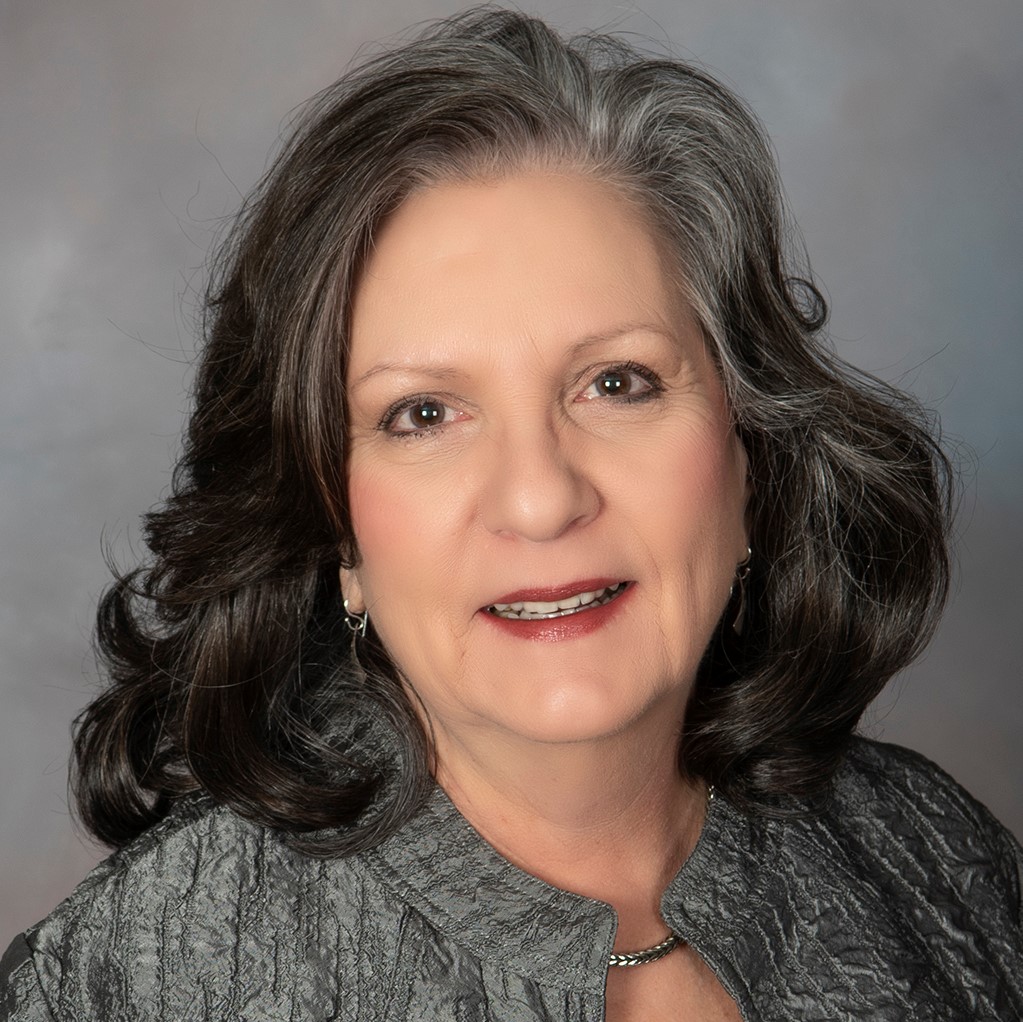
Peggy Whiting
ADEC President
|
|
|
|
|
|
|
|
|
|
|
|
|
|
|
|
|
|
|
|
April 20 - 23, 2022
Marriott St. Louis Grand | St. Louis, MO, USA
Registration for ADEC's 43rd Annual Conference is now open! Click the buttons below to learn more and register today!
|
|
|
|
|
|
|
|
|
|
|
|
|
|
|
|
|
|
|
|
|
|
|
|
|
An Update on ADEC’s Handbook of Thanatology
|
|
|
|
|
|
|
|
|
|
|
|
|
|
|
|
|
|
|
|
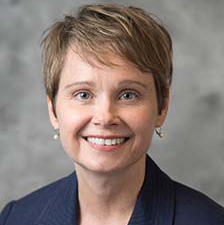
Past President
and Co-Editor
Dr. Heather Servaty-Seib
|
|
|
|
|
|
|
|
|
|
|
|
|
Past President
and Co-Editor
Dr. Helen Chapple
|
|
|
|
|
|
|
|
|
|
|
|
|
|
|
|
|
|
|
|
We are truly excited and proud to announce the release of the newest edition of ADEC’s Handbook of Thanatology, Third Edition: The Essential Body of Knowledge for the Study of Death, Dying, and Bereavement. This third edition is an accessible volume that offers essential knowledge in the field of thanatology in a format that is practical for both novices and those with extensive experience in the field.
Producing this edition unfolded in the midst of a global health crisis, intense racial reckoning, and worldwide economic upheaval, issues all closely interconnected with the topics of dying, death, and bereavement. We are thankful to all the authors (i.e., 53 authors from 14 countries and 6 continents) who contributed to this volume for bringing the Handbook to a level beyond what we initially envisioned. Many of them overcame personal and professional obstacles arising from the combined crises of 2020. They worked to balance advocacy and service to others with their commitment to share their knowledge and experience with you, their readers.
With ADEC’s Body of Knowledge Outline as a guide, the chapters elaborate many of the content “baskets.” Like the Outline, this edition of the Handbook is comprehensive but not exhaustive.
|
|
|
|
|
|
|
|
|
|
|
|
|
|
|
|
|
Initial chapters emphasize foundational topics including definitions of death, death related attitudes, the epidemiology and demography of death, end of life care, and memorialization.
The middle chapters focus on grief theories, distinct conceptualizations and considerations of grief based on cause of death, and problematic grief. The volume concludes with chapters highlighting the broad topics of death education, professional practice, history of the field, social presentations of death, and non-death losses.
As the conceptual and practical process evolved from topic organization and author recruitment through editing, we were gratified to realize that the result would be far richer than we could have imagined. We learned a tremendous amount from our authors’ expertise and are certain that you will also gain a great deal from each chapter.
|
|
|
|
|
|
|
|
|
|
|
|
|
|
|
|
|
|
|
|
|
|
|
|
|
Connects is featuring stories on selected individuals so that the ADEC community can get to know its members.
|
|
|
|
|
|
|
|
|
|
|
|
|
|
|
|
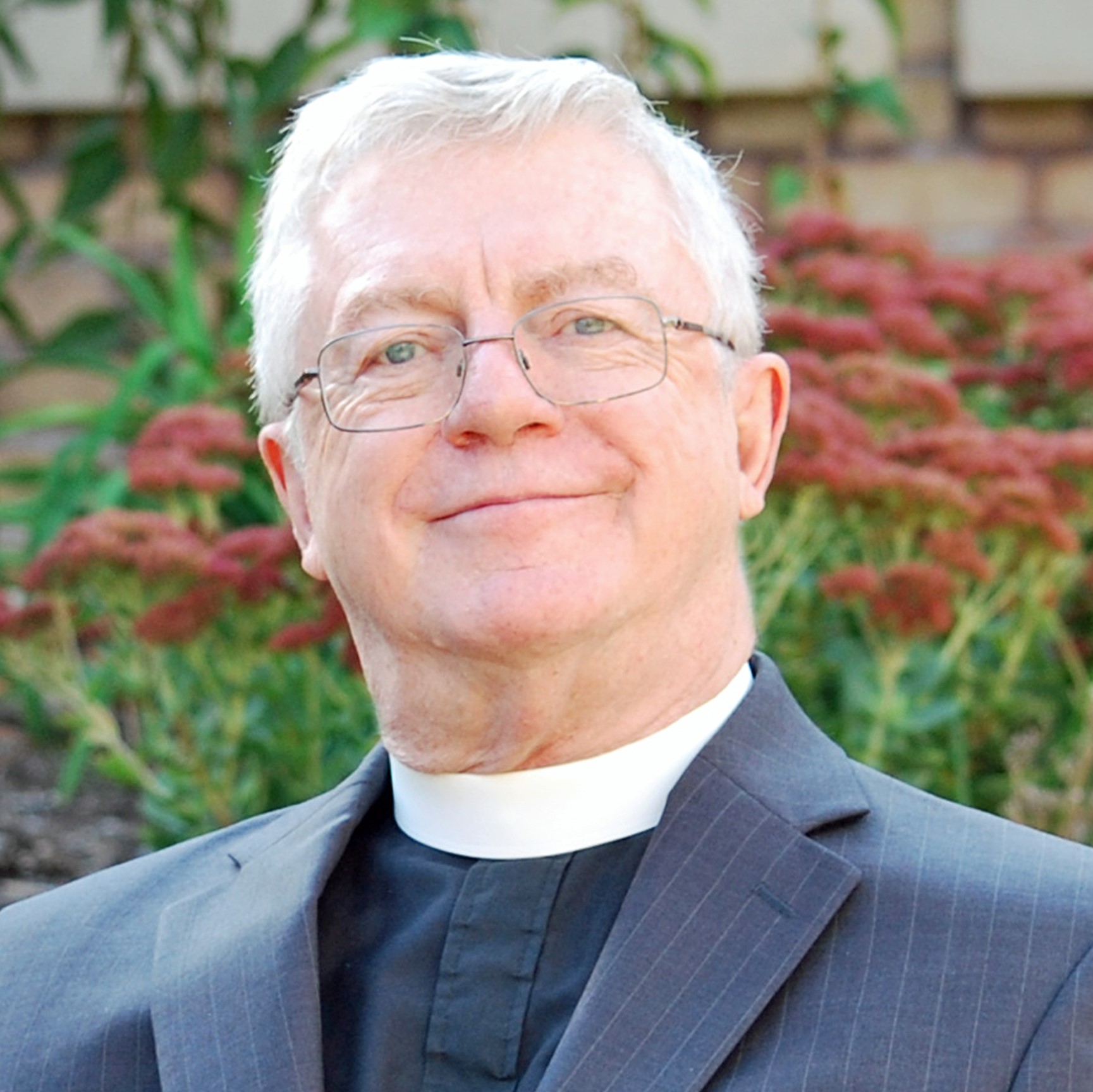
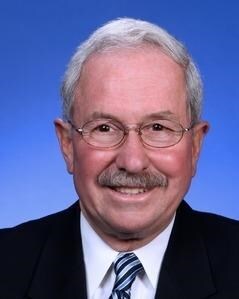
Worth Kilcrease, LPC, PLLC Worth Kilcrease is a Licensed Professional Counselor in Texas who has been in private practice in Austin since 2003. The journey that brought him to counseling has had many twists and turns. Upon entering the University of Texas in 1968, Worth majored in chemistry earning a B.S. and M.A. in organic chemistry. On the heels of that, he changed directions from the physical sciences and earned an M.B.A., also from UT.
|
|
|
|
|
|
|
|
|
|
|
|
|
|
|
|
|
His professional career spanned 25 years in corporate finance where he was the CFO for two high technology companies and a private investment firm. In 2001, three months before 9/11, Worth decided that it was time for a more rewarding profession.
In January 2002, he enrolled in St. Edward’s University in Austin where 18 months later he earned a M.A. in Counseling. His objective was to open a private practice specializing in death, dying, and bereavement. For 14 years, the two principal focus areas of his practice were working with those afflicted with long term terminal illness such ALS and Parkinson’s, and a specialization in perinatal loss. While he led several different bereavement groups, the HOPE Perinatal Loss Group, sponsored by the Ronald McDonald House of Central Texas, has been the one closest to his heart. He led that group for 14 years until temporarily moving to Edmonton, Canada in 2017. Now in semi retirement, Worth maintains a small client base in the U.S. and in Canada and continues to lead the Wellspring Edmonton bereavement group.
Please summarize your current work outside of ADEC.
Since being named the ADEC’s Professional Development Committee Chair in 2018 and then elected Treasurer in 2020, most of my efforts have been focused on ADEC. Professionally, I am semi retired with a small client base from the U.S. and Canada, and I lead a bereavement group at Wellspring Edmonton, a cancer support organization.
Do you have a mentor/role model who has significantly affected your career path in Thanatology? Tell us why you chose this career path.
It is impossible for me to identify a single person who has significantly affected my career path in Thanatology. The first person to influence me was one of my professors and later my internship supervisor, Bill Woodburn. He showed me the richness of counseling and how there is no formalistic approach to effective counseling. Every person, every case is unique and it is the counselor’s responsibility to adapt to the needs of the client.
The other person I am thankful for is Jack Jordan. After a seminar in Austin in 2003, Jack gave me invaluable advice about how to pursue my career and he introduced me to ADEC. It has been through ADEC conferences, colleagues, webinars, etc. that I have received my Thanatology education. I have come to know Bill Worden, Bob Neimeyer, Jack Jordan, Ken Doka, and so many others and from their wisdom I have been able to construct my particular way of relating to the world and counseling my clients.
Tell us why you chose this career path.
Quite simply, I chose this career because for most of my life I have been fascinated by the concept of life vs. death, what that means, both physically and psychologically, and how do people adapt to the changes: how can what I learn and see the world help others?
What advice would you offer a more junior professional in the field on growing their career or keeping their work fresh?
My advice would be to be curious, explore, ask questions, learn. One of my favorite tools with clients is for them imagine a large diamond. If you always look through the same facet at the same light you will always see the same hues and saturation of the light. If you turn it just slightly you will see an entirely other set of colors. That diamond can represent anything – your life, your situation, etc. In this case I would advise turning that professional diamond. There is always something new to observe.
What do you think the future holds for your work and that of others like you? How will that impact what you do?
My supervisor, Bill Woodburn, has an undergraduate degree in anthropology. He once told me that if prostitution is the oldest profession ours is second. In every “tribe” there has always been at least one person – witch doctor, shaman, etc. – who was the person to go to for physical and mental healing. That individual was the trusted one to help, and in return was always taken care of by the “tribe.” Basic human nature has not changed, just the name of the trusted one and the tools the trusted one uses. We are those trusted ones now. We will always be needed. It is a heavy, sobering, but rewarding, responsibility to aid our fellow person.
|
|
|
|
|
|
|
|
|
|
|
|
|
|
So that the ADEC community can get to know its students, Connects is featuring stories on individuals who are ADEC scholarship recipients.
|
|
|
|
|
|
|
|
|
|
|
|
|
|
|
|
Jill Dombroski, PhD Candidate
Jill Dombroski is a PhD candidate in Education at Western University in London, Ontario, Canada. Late to academia, Jill graduated with double honors in Thanatology and Women's Studies, followed by a master’s degree and PhD, both in Education in the field of curriculum. The question that kept coming back in her third year of undergrad was, “How do physicians deal with patient death?” This curious question instigated her desire to look further into academia and pursue what can be learned from those experiences.
|
|
|
|
|
|
|
|
|
|
|
|
|
|
|
|
|
Jill is presently chasing down experiences of physicians and nurse practitioners to gather and share as she finishes the final year of doctoral studies. As a celebratory milestone of turning 50 this year, she completed the New York City Marathon virtually.
Do you have a mentor/role model who has significantly affected your career path in Thanatology? Tell us why you chose this career path.
I started laying the foundation of this career path decades before my formal learning. Once I stepped into the education institution, I learned how this language fits into my experiences, and the bricks of these experiences and teachers slowly built my house of knowledge and growth. The work I do is an extension of who I am and my belief in sharing this knowledge with those in the medical community. While some people marvel at rock stars, early on in my Thanatology pursuits, I marveled at the academics in death, dying, and bereavement such as Drs. Worden, Doka, and Neimeyer. And then I got to know others in those circles like Drs. Hoy, Bertman, and Metzler to name but a few! Outside of these Thanatology circles, are other folks in Canada who may not have the same language but write and inspire with the lens of serving those in death, dying, and bereavement and how they might contribute to making it better like Drs. Downar and Winemaker. Most importantly, my supervisor and mentor, Dr. Kathy Hibbert, believes in my work and the importance of the work I need to do and share with the community.
What advice would you offer a more junior professional in the field on growing their career or keeping their work fresh?
Knowledge is not only what you learn in formal settings or the words you read on pages. Further knowledge and growth also come to us informally from experiences and observations, and what you have learned in formal settings is sometimes the quantified language of those experiences. Be open to learning in any interdisciplinary form of knowledge to build a fuller you, to see and be there for those you are serving.
What do you think the future holds for your work and that of others like you? How will that impact what you do?
I feel the Universe has given us an ear pull with the pandemic. Are we listening? What are we learning about ourselves and how to assist those who need us to show up for them? This is our call to action for those who may have dismissed or not have noticed before. We have a chance at their attention to illustrate how compassion moves mountains; and by creating a curriculum that shares and teaches some of these compassion skills, we have the floor.
|
|
|
|
|
|
|
|
|
|
|
|
|
|
|
|
What's New: New Books from ADEC Members
|
|
|
|
|
|
|
|
|
|
"What's New" celebrates our members' considerable contribution to the Thanatological literature by offering a brief review of books and other educational materials written or produced by ADEC members. Each review is run once to provide an opportunity for our membership across the world to be aware of resources in the dying, death and bereavement field. It is mostly focused on books but has also included other items such as video and even a grief board-game.
|
|
|
|
|
|
|
|
|
|
|
|
|
|
|
|
|
|
|
|
Life & Loss:
A Guide to Help Grieving Children
Linda Goldman
|
|
|
|
|
|
|
|
|
|
|
|
New York, NY.
Routledge, Classic Edition, 2021.
ISBN: 978-1-032-03855-1.
Softcover, 264 pages.
|
|
|
|
|
|
|
|
|
|
|
|
|
|
|
|
|
|
|
|
|
|
Goldman’s guidebook to the grief needs of children has been a substantive resource since its first appearance in 1992. Revised and updated for the Third Edition in 2014, it is now offered as a Routledge Mental Health Classic Edition with a new “Preface” that addresses crucial new issues in these turbulent times such as “Coronavirus, Young People, and Grief,” “Climate Change: Grief, Anxiety, and Activism,” and “Loss of the Social Fabric of Society.” The 12 chapters include important consideration of non death losses such as divorce, diversity, immigration, trauma, cyber bullying, and other contemporary challenges for children. The Classic Edition still includes her annotated bibliographies and comprehensive lists of electronic, print, DVD, and web resources to help guide children as they live through and beyond loss.
This book continues to provide important insights and guidance for clinicians, educators, clergy, and other caring professionals supporting children in loss.
|
|
|
|
|
|
|
|
|
|
|
|
|
|
|
|
|
|
|
|
|
|
|
|
|
|
|
|
|
|
|
|
|
|
|
|
|
|
|
|
|
Understanding Your Grief:
Ten Essential Touchstones for Finding Hope and Healing in Your Heart
(Second Edition)
Alan D. Wolfelt
|
|
|
|
|
|
|
|
|
|
|
|
|
|
|
|
|
|
|
Ft. Collins, CO.
Companion Press, 2021.
ISBN: 978-1-61722-307-5.
Softcover, 214 pages.
|
|
|
|
|
|
|
|
|
|
|
|
|
|
|
Wolfelt has published second editions of all three of these interrelated books. His core book, Understanding Your Grief, explores the process of grief through his classic concept of “touchstones” for actively engaging grief and finding paths to healing and hope. The forerunner of these books, Understanding Grief, Helping Yourself Heal, was published in 1992 and set a trajectory for Wolfelt’s decades long efforts to educate grievers and the professionals who support them. The second edition adds further insights into topics such as resilience, grief overload, mindfulness, and the role of ritual. The companion Journal guides grievers to directly reflect on and write out the personal thoughts and feelings they experience on the journey of grief. The Support Group Guide, designed to educate professional or lay caregivers, offers important guidance about how to begin and effectively lead groups for adults. The Guide provides a 12 session plan for leading a group that requires each group member to read the Understanding Your Grief book and actively use the Journal. In these three books Wolfelt offers comprehensive information and guidance but all in a very personal voice to those reading his work.
Other reading:
The Understanding Your Grief Journal (Second Edition).
2021.
ISBN: 978-1-61722-309-9.
Softcover, 182 pages.
The Understanding Your Grief Support Group Guide (Second Edition).
2021.
ISBN: 978-1-61722-311-2.
Softcover, 131 pages.
|
|
|
|
|
|
|
|
|
|
|
|
|
|
|
|
|
|
|
|
|
|
|
|
|
|
|
|
|
|
|
|
|
|
|
|
Want to have your publication included in Connects?
Have your publisher send a copy (not just an announcement) of recent material (2021 - present) to:
The Rev. Paul A. Metzler, D.Min., Editor
Books & Other Media
ADEC Connects
5305 Kenrick View Dr
Saint Louis, MO 63119
Cell: (315) 415-4731
Email: paul.metzler2010@gmail.com
|
|
|
|
|
|
|
|
|
|
|
|
|
|
|
|
|
|
|
|
|
|
|
|
|
|
|
|
|
|
ADEC Members’ Corner is a regular column in ADEC Connects that highlights one or more members’ activity as an ADEC professional. Members’ Corner is open for contributions from all ADEC members; to be included, please send your article to Amanda Brace or Beverly Rollins.
|
|
|
|
|
|
|
|
|
|
|
|
|
|
|
|
|
|
John Abraham, President of Choice and Dignity, Inc. reports that on January 14 his organization will offer a program entitled “The Impact of a Good Death.” It is a discussion group for those left behind and is for Choice and Dignity members only. It is limited to 25 participants. The organization plans to start with a “pilot” session only for those who have already attended its Life Completion Class.
|
|
|
|
|
|
|
|
|
|
|
|
|
|
|
|
|
Mr. Abraham stresses that the meeting is not for those who experienced someone’s “suicide.” It is only for those who have had a friend or family member enact deliberate life completion in the face of inevitable suffering. Also, it is not a grief group, although grief and bereavement, anticipatory grief, and all feelings related to losing someone by their hastening their death will be discussed. Individuals will want to attend this program if they have a loved one planning a final exit or if they are planning an exit themselves and want to see how it may affect the loved ones left behind.
Althea Halchuck, CT, EJD, BCPA recently published a blog regarding advance directives on her Ending Well Patient Advocacy website. Click here to view the blog entry.
Beth Anderson Walker currently serves as the Coordinator of the Grief Outreach Initiative at the University of Tennessee Knoxville. The Initiative is a program that pairs undergraduate and graduate level students enrolled in the school’s “Practicum in Grief Support” course with a child or adolescent in the Knox County School system who has been referred by an adult in their lives. In the course, the students learn about the grief process and theories of grief and serve as grief mentors to those with whom they are paired. As the graduate teaching assistant, Ms. Anderson Walker assists Dr. Laura Wheat in co teaching the graduate level course and she will be teaching the undergraduate level course Spring 2022. Additionally, she is interested in community healing, collective grief, and currently conducting research around the benefits of using expressive arts and nature based interventions to support the grief process.
Dr. Alan Wolfelt was recently featured in The Atlantic magazine’s article, “The American Workplace Isn’t Prepared for This Much Grief.” Dr. Wolfelt discussed the need for a federal standard, paid bereavement policy noting that without one “grieving American workers are subject to the whims of State legislatures and individual companies.”
Dr. Wolfelt also made a video regarding holiday grief that he would like to share with the ADEC community: Acknowledging the Potential of Holiday Blues: Practical Tips to Survive and Thrive.
|
|
|
|
|
|
|
|
|
|
|
|
|
|
|
|
|
|
|
|
The ADEC family who now grieves the loss of Dr. Vanderlyn Pine. ADEC stands on the shoulders of these our founders. We are who we are because those earlier in our history set the foundation for our association.
Van leaves his legacy upon ADEC and my heart is heavy with this loss. Van's work for ADEC renews my strong commitment to forward our mission and vision. We invite you to take pause with great gratitude for Van.
Click here to read Dr. Pine's obituary
|
|
|
|
|
|
|
|
|
|
|
|
|
|
|
|
|
|
|
|
|
|
|
New Zoom “Bridge” Meetings for ADEC Members
|
|
|
|
|
|
|
|
|
|
|
|
|
|
|
|
Join us to informally get to know ADEC members around the world, and to learn from each other as we discuss key topics relevant to our ADEC mission.
These gatherings will occur on the second Sunday of the month:
- January 9, 2022
- February 13, 2022
- March 13, 2022
- April 10, 2022
|
|
|
|
|
|
|
|
|
|
|
|
|
|
|
|
|
Find your time zone below and mark it on your calendar! There are two different opportunities to connect based on your location. The information to join remains the same for all meetings for the Aus-Asia-Euro group or the Euro-Americas group.
|
|
|
|
|
|
|
|
|
|
|
|
Aus-Asia-Euro
Melbourne: 8:00 pm / Singapore: 5:00 pm / London: 9:00 am
|
|
|
|
|
|
|
|
|
|
|
|
Euro-Americas
London: 9:00 pm / New York: 4:00 pm / Vancouver: 1:00 pm
|
|
|
|
|
|
|
|
|
|
|
|
|
|
|
|
|
|
|
|
|
|
|
ADEC’s Certification/Recertification Process
Moves to a Seamless On-Line System!
|
|
|
|
|
|
|
|
|
|
This new web based system ensures that all things “Credential” can be found in one place on ADEC’s website. This change also makes the application process more user friendly. Click the green button below to access all things new including information and forms.
|
|
|
|
|
|
|
|
|
|
|
|
|
|
|
|
|
|
|
|
|
Renew Your Membership!
In the midst of unprecedented circumstances, ADEC has striven to remain strong and relevant for you, the ADEC membership community. There are not promises that the challenges we’re currently facing will relent anytime soon, but if anyone knows a thing or two about resilience, its ADEC members. In the midst of the current uncertainty ADEC invites you to look ahead and support your professional home by renewing your membership for 2021.
Members’ benefits have recently been enhanced in that Members now get two free webinars per year and that includes CEUs at no additional cost. In addition, paid access to webinars has been streamlined; attendees will now pay one fee for total access (i.e., live/recorded access for three years, $45 for members/$70 for non-members).
ADEC strives to serve you. And needs you to keep ADEC strong. Please renew your membership today!
|
|
|
|
|
|
|
|
|
|
|
|
|
|
|
|
Why Join ADEC?
ADEC offers substantial membership benefits including:
- Online subscriptions to three professional journals – Omega: The Journal of Death and Dying; Death Studies; and Grief Matters, the journal of the Australian Centre for Grief and Bereavement
- ADEC Connects
- The Thanatology NewsBrief
- Discounts to the annual conference
- Professional certification
- Professional recognition
- Connection with other ADEC members
- Professional development
- Networking
- Volunteer opportunities
- Tuition discounts
- Two free webinar recordings a year
|
|
|
|
|
|
|
|
|
|
|
|
|
|
It’s Time to Update Your ADEC Profile!
|
|
|
|
|
|
|
|
|
|
|
|
|
|
|
|
To ensure that your ADEC profile is up to date, please login to the ADEC website at www.adec.org/Login.aspx. Once you are logged in, if you are not redirected automatically, simply click on the “My Profile” button in the top navigation panel.
Make sure to review your professional and personal information and edit with the “Edit” link in the headers. Additional contact details as well as your education and experiences will be a helpful resource for your colleagues when searching the Membership Directory.
|
|
|
|
|
|
|
|
|
|
|
|
|
|
|
|
|
|
|
|
|
|
|
Connects is interested in your thoughts and work. Please reach out to us with content submissions, suggestions or ideas.
For consideration in the February 2022 issue of Connects please submit your ideas/content by January 22, 2022.
Contact Us
Editor – Amanda Brace Ed.S, LSC, PCC-S
Assistant Editor – Beverly Rollins BSW, MGA, MA
|
|
|
|
|
|
|
|
|
|
|
|
|
|
|
|
|
|
Your Account Information:
|
|
|
|
|
|
|
|
|
|
- Your name: @@first_name@@ @@last_name@@
- Your username: @@username@@
- Your email address: @@email@@
|
|
|
|
|
|
|
|
|
|
Your Membership Information:
|
|
|
|
|
|
|
|
|
|
- Your member type: @@member_type@@
- Your member status: ##MEMBERSTATUS##
- Your membership expiration date: @@membership_exp_date@@
|
|
|
|
|
|
|
|
|
|
| If you need assistance accessing your ADEC account or resetting your password, please contact the ADEC office at adec@adec.org or 612-337-1808. |
|
|
|
|
|
|
|
|
|
|
|
|
|
|
|
|
|
|
|
|
|
|
|
|
|
|
|
|
|
|
|
|
|
400 South 4th Street
Suite 754E
Minneapolis, MN 55415
Phone: 612-337-1808
adec@adec.org
Monday - Friday 8:00 AM - 5:00 PM CST
If you no longer wish to receiver ADEC emails, please click here: @@unsubscribe_url@@
|
|
|
|
|
|
|
|
|
|
|
|
|
|
|
|
|
|
|
|
|
 Print Page