Celebrating 50 Years of ADEC: The Survivors Symphony Remembered
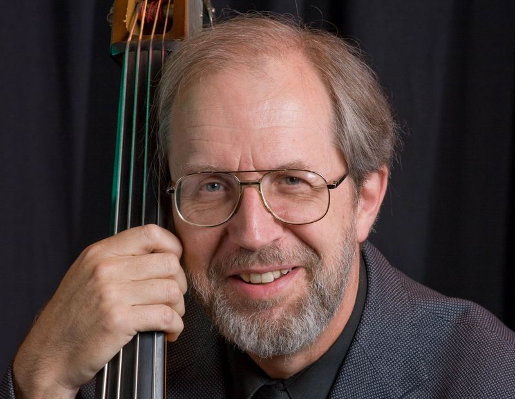
Doug Lofstrom, Composer
A Chicago native, Doug Lofstrom has been composing prolifically since the 1970s; his wide-ranging style reflects his ongoing involvement in dance, film, theater, and symphonic music. Currently residing in Villa Park, IL, he has been composer-in-residence for the Metropolis Symphony Orchestra and musical director of Chicago's Free Street Theater. His works have been performed by the St. Louis, Atlanta, and Oregon Symphony Orchestras, and the Present Music and CUBE chamber ensembles. He has taught music at Columbia College since 1986, and was a full-time faculty member from 1999-2014. He founded their New Music Ensemble in 2000 and conducted it from 2000-2016. He has composed scores for the Pittsburgh Ballet, Midwest Ballet, and Natya Dance Theatre and a series of three Concertinos for solo instrument and orchestra (oboe, harp, and trumpet) that were commissioned, performed and recorded by the New Philharmonic Orchestra. In 2001, Lofstrom formed The New Quartet, a versatile chamber ensemble which performs his original music and arrangements of modern classics, jazz, and world music. He has been active as a performer and improviser on double-bass and other instruments since the 1970s.
Listen to Survivors Symphony (Members Only)
Survivors Symphony History
The Survivors Symphony is a 30-minute piece for full orchestra which presents a musical journey through the grieving process. The focus of the piece is on the survivors and the process they must experience in order to integrate their loss into the fabric of everyday life.
The Association for Death Education and Counseling contacted composer Douglas Lofstrom through conductor Martin Piecuch in late 1995 with the suggestion to compose a symphonic piece which would outline the grieving process. Mr. Lofstrom enthusiastically embraced the idea and after attending the association's 1996 conference to gain perspective, he started composing the Survivors Symphony in the summer of 1996. In September he submitted sketches of the first and second movements and got the approval of and further suggestions from the planning committee.
As he proceeded, he encountered difficulties expressing the anger and sadness associated with grief in a way not unlike the grieving process itself. Eventually, he was able to find the musical language with which to express the struggle and resolution of the final phases of the grieving process. The piece was premiered by Martin Piecuch and the Washington Symphony Orchestra at the Association's International Conference in Washington, D.C., June 26, 1997.
The movements bear the descriptive titles: 1) Life and Death, 2) Funeral, 3) Struggle, 4) Release, and 5) Reintegration. The music dramatizes each of these aspects, beginning with a couple in life, followed by death and muted grief, moving through disorientation into anger and rage, eventually “running into a brick wall,” where the survivor is thrown back onto his own spiritual resources.
At the end, we return to the world of "normal" emotions, where conflicts are resolved and memories of and feelings for the loved one flow in and out of everyday life.
To learn more about Doug's work please visit his website, www.douglofstrom.com, or contact him at doug@douglofstrom.com.
 Print Page