|
|
|
|
|
|
|
|
|
|
|
|
|
|
|
|
|
|
In This Issue of ADEC Connects
This issue of ADEC Connects includes details of ADEC’s 2022 Hybrid Conference; an update on ADEC’s Handbook of Thanatology and how you can purchase it; and member written articles regarding the Black experience with death, dying, and bereavement. Also, in this issue you’ll see are our regular columns including the Featured Member Profile, Student Profile, What's New: New Books from ADEC Members, and Members Corner.
We encourage you to read it all!
|
|
|
|
|
|
|
|
|
|
|
|
|
|
|
|
|
|
|
|
|
|
|
|
|
|
|
I have a longstanding curiosity about time – what changes? what is timeless? what is time-sensitive? why can time perceptually feel so long, so scarce at other moments? The markers of time provide a context for our lived experience - whether individually, collectively, organizationally, or generationally. In this new year and as time approaches for our 2022 conference, I invite us to reflect upon what we are building in our individual lives and what we are building over the continuum of time within ADEC.
|
|
|
|
|
|
|
|
|
|
|
|
|
|
|
|
|
My own life has developmental seasons like yours - from childhood to adulthood, from career inklings to career realization, from a calling to a choice, from initiation to fruition, from relational beginnings to endings, from innocence to maturity, from health to illness, from anticipation to retrospection, from who I was then to who I am now. Our roles and responsibilities are time-related - time that comes and goes.
As thanatologists, we know grieving and time are inextricably woven. A recent blog post from The Center for Prolonged Grief captures Amy Cuzzola-Kern’s voice as she describes “what I didn’t realize then was that this one minute, of all the minutes in my life, would start me on a path – a twisty, meandering track – of grief, change and, eventually, yes, hope.”
Maya Angelou once said “since time is the one immaterial object which we cannot influence – neither speed up nor slow down, add to nor diminish – it is an imponderably valuable gift.” Black History Month allows us a time-oriented perspective on the African-American experience (click here: Black History Month). The gift of time enables us to gauge our forward movement, our inertia, our repetitive backslides. History provides lessons and learnings if we pay attention. History can inform and connect our past, present, and future.
ADEC has been enriched by a growing understanding of the cross-generational trauma and grieving endured by African-Americans. I urge us to be attentive to the lessons provided in times when ADEC made advances and other times when we acted in ways that thwarted progress and created unsafe space. ADEC can look back at our history and evaluate our understanding, bias and empathy toward others who live amidst imposed adversity and discrimination. We can reflect around our place in the making of this history by asking how we contribute to the writing of the cultural narrative and how we contribute to the righting of that same cultural story.
Tashel Bordere and Jennifer Matthews gave us a provoking and powerful video in 2020 addressing racial injustice, loss, and grief in the Black community. I encourage you to watch this on our website. They say that “we must continue unpacking the diverse, lived layers of loss in the Black experience…the health and death disparities…the race specific layers of responses and coping… generational inequity that contextualizes the reality of loss overload…the patterns of recurrence”. These patterns can evoke deep anger, helplessness, and sometimes apathy and hopelessness for African-Americans.
Consider the pre-COVID to COVID to post-COVID world: our parameters on time; our confusion and distortion of where we currently are; our hopes of what will change; our patience or impatience with the mysteries of timing. Within ADEC we are emerging from the time of the “virtual only” pandemic world to something new. We are hosting a hybrid conference this year. We are returning to an in-person gathering, our first since 2019, while also offering virtual options. We have the opportunity to embrace each other again, to invest time together in a connection that nurtures and nourishes us! I encourage you to make your plans to join us April 20th – 23rd in St. Louis. We have enacted safety protocols to permit us to engage without worry. I hope you will find reassurance and commitment to your health and well-being.
In addition to the events highlighted by our Conference Committee Chair, Fay Green, you will experience special events such as our celebration of the 3rd edition of the Handbook of Thanatology with co-editors, Heather Servaty-Seib and Helen Chapple. We will host the Diversity & Inclusion Reception with Tashel Bordere’s inspiring message about where we have been and where we are headed as diverse ADEC members. Phillip Garrett will share creative glimpses at our organizational history and its connection to our present and our future through ADEC’s Legacy Project. Additionally, the Students & New Professionals Committee will host a Virtual Wellness Hour as a fund-raiser to support scholarships & awards.
I am excited for the St. Louis opportunity and I urge you to take advantage of the early bird registration that extends through March 22nd! Please come if you are able! Registration is for in-person or virtual participation.
In closing, Rep. John Lewis said “take a long, hard look down the road you will have to travel once you have made a commitment to work for change…change often takes time”. Make this ADEC’s time. Let’s make a difference together!
|
|
|
|
|
|
|
|
|
|
|
|
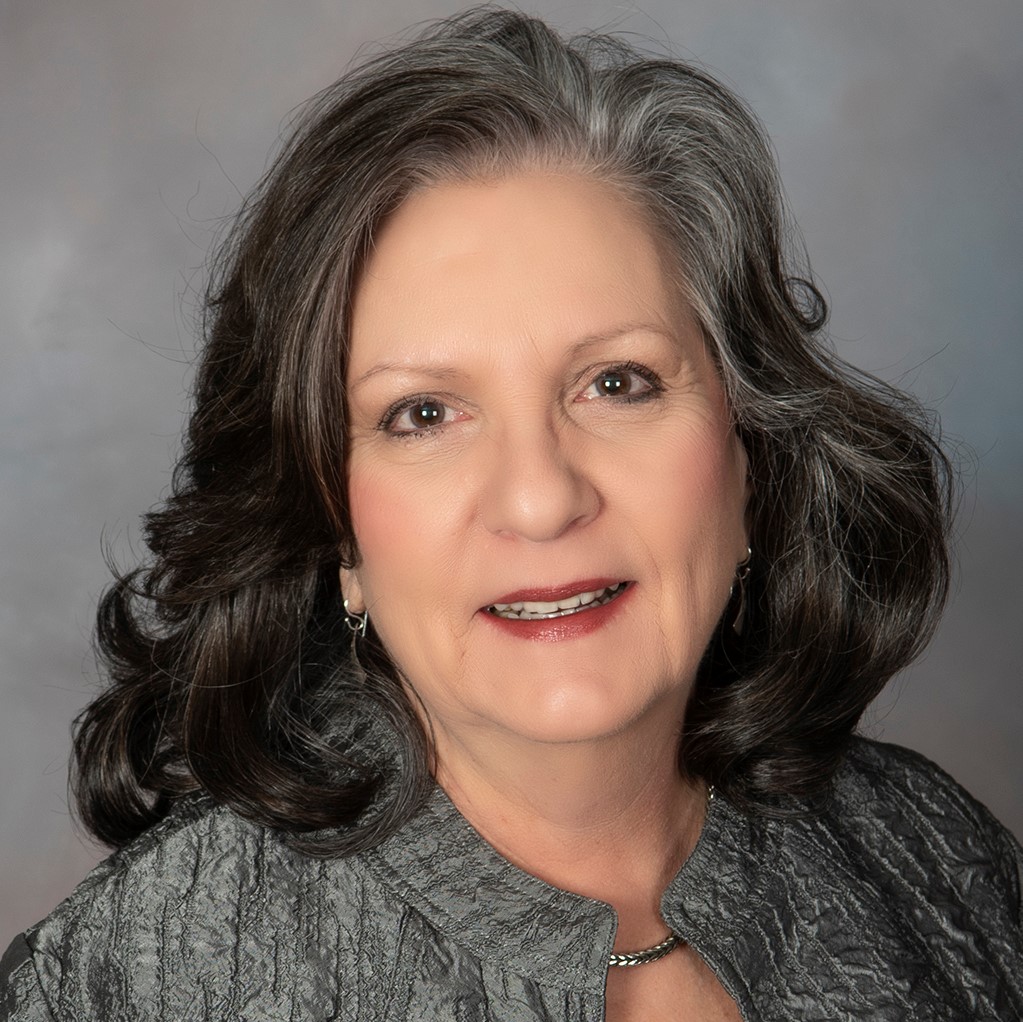
Peggy Whiting
ADEC President
|
|
|
|
|
|
|
|
|
|
|
|
|
|
|
|
|
|
ADEC’s 2022 Hybrid Conference: April 20 23, 2022
|
|
|
|
|
|
|
|
|
|
|
|
|
|
|
|
Fay Green, LPC, LMFT, NBCC, FT ADEC Conference Planning Committee Chair The ADEC 2022 Hybrid Conference planned for April 20 23 in St. Louis opens with a Welcome Reception and Networking, Wednesday evening, April 20. Plenary sessions features Dr. Brook Griese and Dr. Dale Larson, and the Ira Nerken International speaker, Jakob van Wielink. Attendees have an opportunity to attend virtually or in-person and select from fift-plus concurrent sessions planned for the three day conference.
|
|
|
|
|
|
|
|
|
|
|
|
|
|
|
|
|
The virtual Professional Development Courses taught by Dr. Harold Ivan Smith, (Essentials Course: Dying, Death and Bereavement), Dr. Louis Gamino, (Intermediate Course: Grief Counseling), and Dr. Darcy Harris and Evgenia (Jane) Milman, (Advanced Course: Complicated Bereavement and Grief Therapy) are scheduled for Monday and Tuesday, April 18 19.
Specialty Workshops are planned virtually the week following the conference, Thursday, April 28 29. Dr. William G. (Bill) Hoy will present a half day workshop entitled “Making Sense of the Senseless: Spiritual Care in Bereavement” and Dr. Patti Anewalt and Elissa Berman will remind the attendees of the need for self care in their Thursday afternoon presentation, “Beyond Burnout and Compassion Fatigue: Finding Balance and Enhancing Resilience.” Dr. Kathrine Shear will update attendees on “Prolonged Grief Disorder: Evidence-Based Assessment and Therapy” during the full day workshop, Friday, April 29.
|
|
|
|
|
|
|
|
|
|
|
|
|
|
|
|
|
|
Rev. Galen Goben, DMin., CT. ADEC Conference Planning Committee I love attending the conference and except for one year, have done so since 2007. The past two years I have been involved in the Conference Planning Committee. It is astonishing what is required to plan our “family reunion.” There are seven people, under the detailed eye of Fay Green our Chair, who bring all the details together.
|
|
|
|
|
|
|
|
|
|
|
|
|
|
|
|
|
Think of speakers, schedules, registration, awards, opening and closing sessions, international time zones, Service of Remembrance, CEU’s, Zoom rooms, marketing, Sponsors & Exhibitors, COVID protocols…. All topics in our monthly meetings.
This is normally a challenging process. The disarray caused by COVID added a new degree of complexity and uncertainty to this massive undertaking. The need to pivot and renegotiate following each new announcement the virus has engendered, project that out to April of 2022 has us seeking a crystal ball for the best path forward.
I am honored to work with this committee who have discerned that path to bring ADEC an outstanding conference in St. Louis. The hybrid nature will be a new format. Our hope is that whether you attend in-person or virtually, everyone will be present at essentially the same conference. It will be exciting to see and experience.
|
|
|
|
|
|
|
|
|
|
|
|
|
|
|
|
|
|
|
|
|
|
|
|
|
|
|
|
|
|
|
|
|
|
|
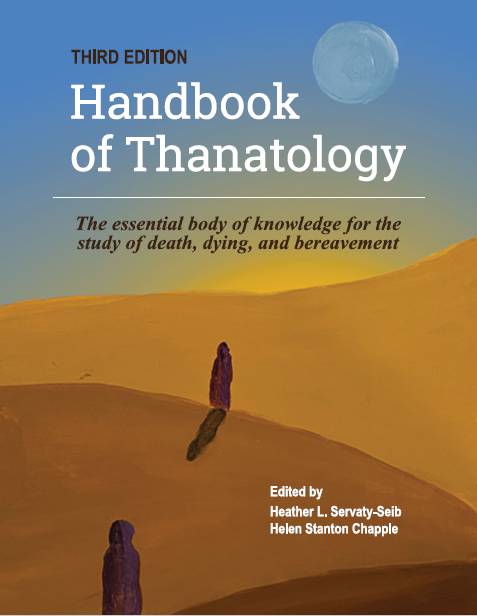
We are thrilled that the 3rd edition of the Handbook of Thanatology is in print and available for purchase! This project was envisioned and decided by the Board several years ago as ADEC’s ethical imperative to provide collective expertise in our field. It is a self-published resource written for those seeking evidence-based, multidisciplinary knowledge and includes 22 chapters authored by 56 scholars from 14 countries over 6 continents. These authors were intentionally recruited to represent diversity of disciplines and demographics. The chapters also align with ADEC’s revised Body of Knowledge. It is best described as follows by ADEC’s co-editors as written in the handbook’s introduction.
|
|
|
|
|
|
|
|
|
|
|
|
|
|
|
|
|
“We trust that readers will find the third edition of the Handbook of Thanatology to be a rigorous, balanced, and comprehensive resource. Although no volume is all-encompassing, the content here is thorough and reflective of the knowledge critical to the field of thanatology. The chapter authors furnish readers with a solid balance of theory, empirical findings, and suggestions for practice. The information is foundational, yet each chapter also provides new and intriguing insights. As coeditors, we are indebted to the phenomenal collection of scholars who contributed to this volume.” (Heather L. Servaty-Seib & Helen S. Chapple).
Come join us to hear more at the St. Louis conference about upcoming marketing and digital versions of this work!
|
|
|
|
|
|
|
|
|
|
|
|
|
|
|
|
|
|
|
|
|
|
|
|
|
Honoring Black History Month
|
|
|
|
|
|
|
|
|
|
To honor Black History Month we are sharing articles written by ADEC members providing their thoughts, observations, and knowledge of the African American and Black experience with death, dying, and bereavement.
|
|
|
|
|
|
|
|
|
|
|
|
|
|
|
|
|
|
Rev. Jamie Eaddy Chism, DMin., CT, CTP Wayward Care Grief and loss are a part of life – for all of us. Influenced by many factors, including culture, religion/spirituality, previous history with loss, and circumstances surrounding the death, the way we grieve and mourn will vary from person to person. Other considerations, like racism and systemic oppression, generational trauma, and a lack of social support, also impact our grieving process.
|
|
|
|
|
|
|
|
|
|
|
|
|
|
|
|
|
As caregivers – those responsible for providing some form of spiritual, psychological, emotional, physical, medical, or practical care for others – sorrow has plagued these last two years. Contending with fears around personal safety due to a lack of personal protective equipment or managing moral injury when the “right thing to do” feels incredibly inhumane eventually takes its toll. Further, expanding our imaginations in a way that allows us to sit with people as they find language and create meaningful rituals that address the compounded trauma and grief that have made it difficult to breathe, feel, mourn, and heal, at times feels like an impossibility.
Amidst the trail of tears, the absence of touch, and the removal of rituals, I came face to face with a hospital system shaped by whiteness. Despite its diversity, equity, and inclusion initiatives it still disregards black life, ignores black death, silences black grief, and shames the Black griever. My disappointment in this system led to a meeting with the hospital’s president about the lack of cultural humility and compassion present when caring for Black families. The president’s response began as a mix of anger and apathy but ended with a corporate change in the required annual testing for all employees about personal and systemic bias.
Acknowledging bias is important, but we must also help caregivers understand that the black grief experience is unparalleled and the only way to accompany Black grievers thoughtfully and empathetically is to approach care from a position of Waywardness. Saidiya Hartman says, “Waywardness is a practice of possibility at a time when all roads, except the ones created by smashing out, are foreclosed. It obeys no rules and abides no authorities.” Just care is within our reach and, in our willingness to lean toward Waywardness, we will create a society that is mutually shaped to meet everyone’s needs – particularly the needs of the oppressed and marginalized.
|
|
|
|
|
|
|
|
|
|
|
|
|
|
|
|
|
|
Jonathan Heller, MS Taken from Their Gods and Their People Three hundred years ago we killed our Gods and our Myths on the altars of Reason and Enlightenment. In our mad rush for knowledge, power, and progress we abandoned the Old Ways in favor of comfort, progress, and the scientific method, skepticism, and Kant’s imperative “Sapere aude.” We dared to know that Gods and Myths do not lead to empirical evidence.
|
|
|
|
|
|
|
|
|
|
|
|
|
|
|
|
|
We dared to know that they do not teach us how to expand our influence, improve our comfort, or increase our lifespans. We dared to know that death itself is neither mystical, nor spiritual, merely a cessation of ability to achieve that most meaningful goal: The power once held by long dead Gods and Myths.
200 years later, in our daring, we brought our weapons for the killing of Gods and Myths to an African continent still teeming with both.
And we bore them well.
The most heinous act of systematic theft of Africa was not the taking its minerals and land…but stealing the people from their elders, their ancestors, their Gods and Myths; and taking them to this land where all of ours were long dead. When the great grandfathers and great grandmothers of our Black brothers and sisters were first brought to this “New World” they were purposefully and maliciously made to believe that they were alone, abandoned, that no story of their people told truths of this “New World”, and their Gods and Myths were relegated to that continent far away where the power of their rituals remained. Here… our Enlightened ways and methods held all that power.
An entire people had to learn to die and to grieve without the power of their stories, their elders, their Old Ways, or their Gods. This is the setting of “The African American Experience with Death, Dying, and Bereavement.”
May our dead Gods forgive us. We have no stories to tell.
|
|
|
|
|
|
|
|
|
|
|
|
|
|
|
|
|
|
|
|
|
Connects is featuring stories on selected individuals so that the ADEC community can get to know its members.
|
|
|
|
|
|
|
|
|
|
|
|
|
|
|
|
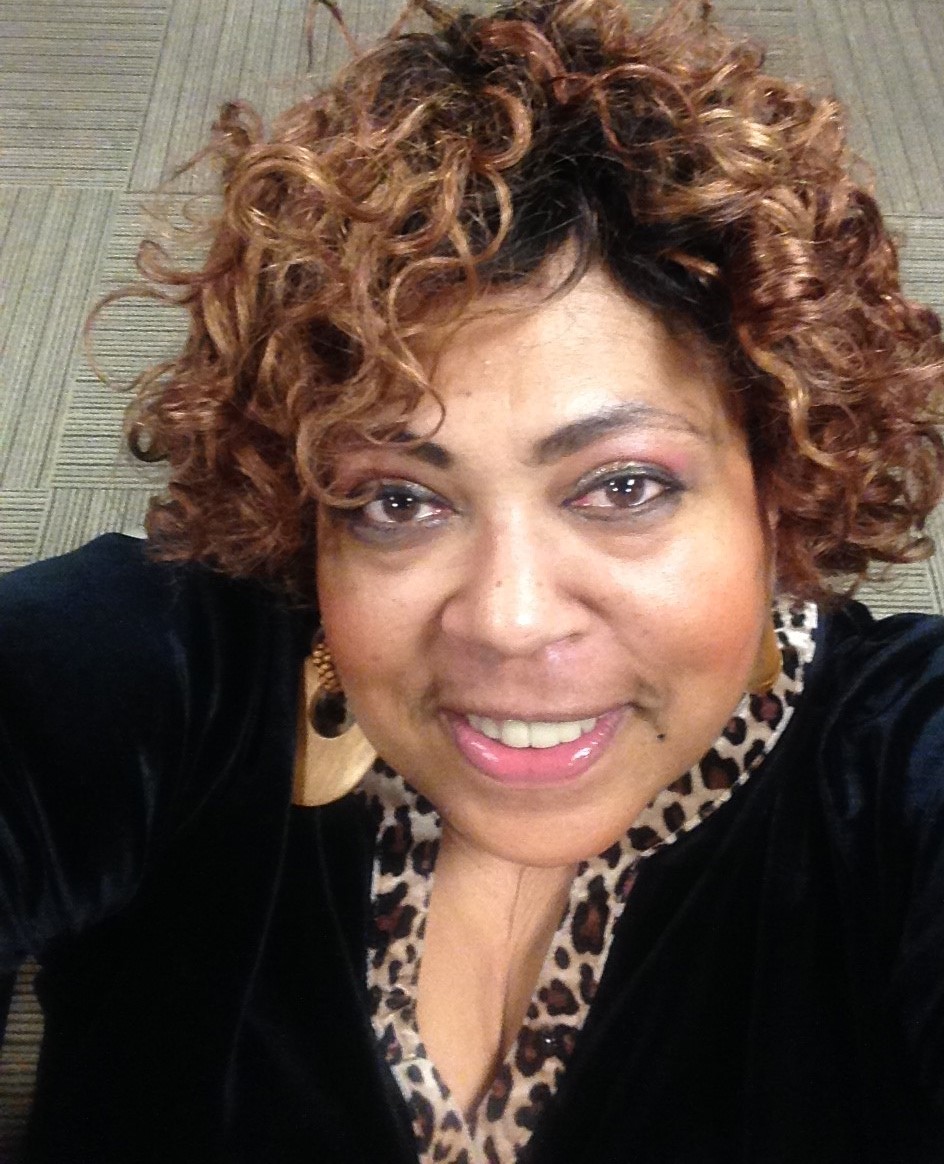
Rita Milburn‑Dobson, DMin, MDiv, BSN, RN, FT Executive Director, Precious Gems Supportive Services
Rita Milburn‑Dobson, DMin, MDiv, BSN, RN, FT is currently the Executive Director of Precious Gems Supportive Services, a non‑profit organization outside of Philadelphia. It provides bereavement support and grief counseling education for children and teens. While it focuses on ethnic minorities, all receive services. She is also a part‑time lecturer for the Drexel University Department of Medicine and has specialized training as a Fellow in Thanatology (Dying, Death and Bereavement).
|
|
|
|
|
|
|
|
|
|
|
|
|
|
|
|
|
Dr. Milburn‑Dobson has been practicing nursing, chaplaincy, and bereavement for over 30 years. Her expertise includes issues regarding hospice, grief, loss and end of life issues, especially within the African American and faith communities. Her clinical practice has included care of grieving ethnic minority children and teens, adults with multiple chronic health concerns, end‑of‑life care support, and bereavement care. She is a former Board Member of the Association for Death Education and Counseling and has chaired the Multicultural Committee. Dr. Milburn‑Dobson’s research dissertation focused on the role of spirituality/religion on African Americans making end‑of‑life care decisions.
|
|
|
|
|
|
|
|
|
|
Do you have a mentor/role model who has significantly affected your career path in thanatology? Tell us why you chose this career path.
When I first came to ADEC, I met Dr. Ronald Barrett. This was the first time I met a person of color who openly and unapologetically discussed barriers to dying/death and end‑of‑life discussions in the African American community with solutions. While this topic is often discussed, there is usually not a solution provided.
My personal experience of having two infant deaths and little communal support; especially from my faith community, prompted me to provide this care for others. Dr. Barrett’s constant encouragement prompted me to pursue advanced education and to share my personal experiences of grief and loss. Unfortunately, he died before I could let him know that I went on to complete a doctoral program. He is actually buried in the cemetery near my mother‑in‑law in South Carolina. Whenever I visit her grave, I visit his grave and let him know of my accomplishments and give him thanks.
What advice would you offer a more junior professional in the field on growing their career or keeping their work fresh?
I would encourage junior professionals to continue attending workshops and conferences sponsored by ADEC and their members. I would encourage them to get involved and even attend workshop/classes which are not in their comfort zone. If you are a researcher, attend workshops on other disciplines such as music and art therapy. There really is a connection between research and practice.
What do you think the future holds for your work and that of others like you? How will that impact what you do?
I believe that those of us who lift the voices of marginalized persons will allow those voices to be amplified leading to more than cultural sensitivity, but inclusion as well.
Describe how the role of being an ADEC member has been beneficial to you in your professional and / or personal life.
For those that are not familiar with the word “thanatology,’ that word alone becomes a conversation starter. Once the conversation is started, I talk freely about those issues which are not openly discussed. For those who are familiar with thanatology, they are quite impressed as they know that credential demonstrates knowledge and superior experience in the field.
I have encouraged my students and those new to the field to stay with and reach out to ADEC. The experts in the field are willing to share their knowledge and are also willing to listen to the lived experience others. I also encourage those who may feel marginalized to connect and share their stories. By sharing stories, other begin to understand and if not understand, this can begin a dialogue.
I cherish those relationships that I have made with ADEC. The senior members in the field (those which students often quote) are more than willing to share their expertise if asked; a phenomenal resource.
|
|
|
|
|
|
|
|
|
|
|
|
|
|
So that the ADEC community can get to know its students, Connects is featuring stories on individuals who are ADEC scholarship recipients.
|
|
|
|
|
|
|
|
|
|
|
|
|
|
|
|
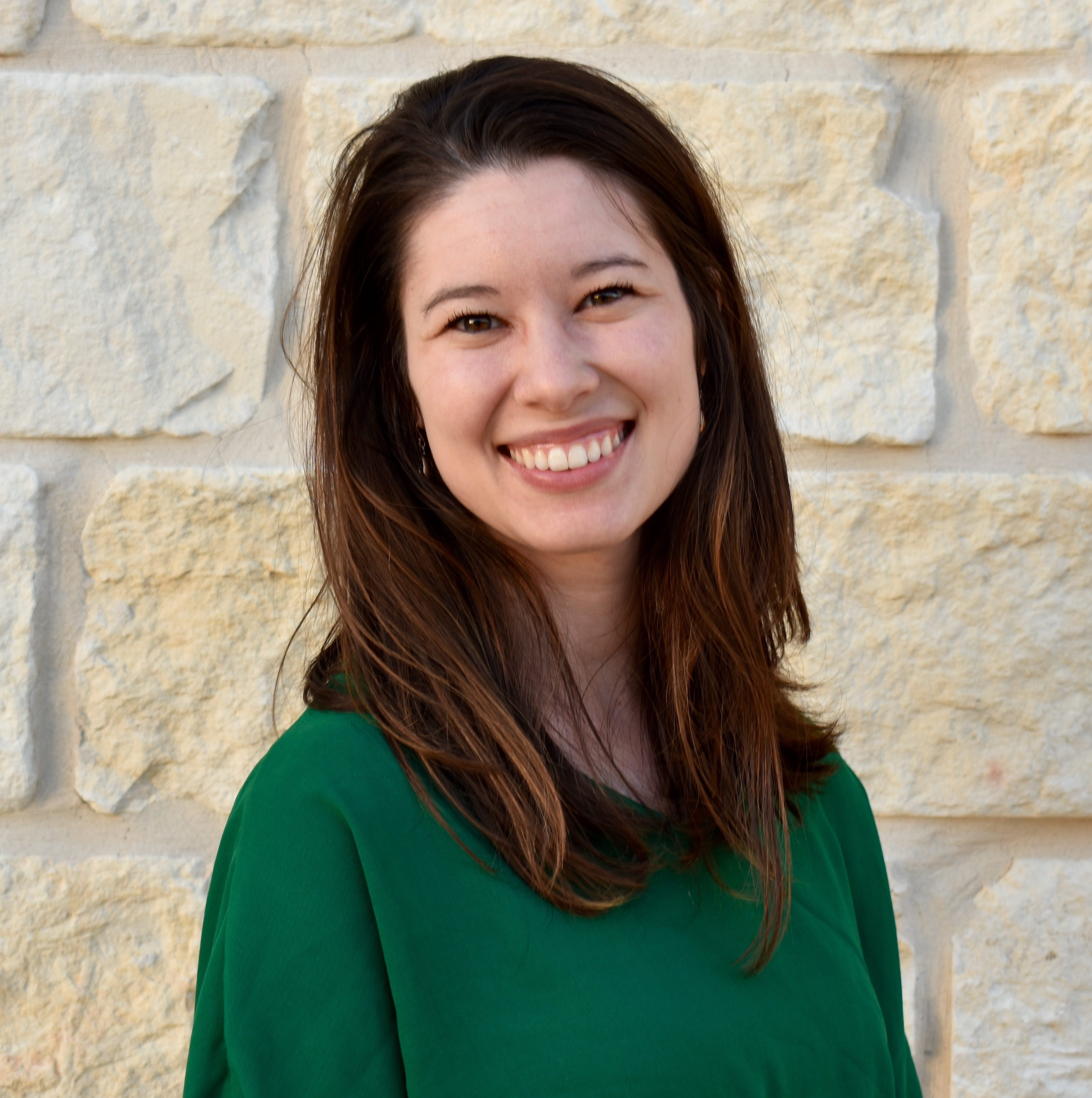
Jessica Barboza, MA, LMFT, EMDR Trained
Jessica Barboza, LMFT is a marriage and family therapist and a doctoral candidate at Utah State University where she researches family resilience and shared meaning making in bereavement. She is also a published author in Family Process and Death Studies, and adjunct faculty at St. Edward’s University. Her published work has been recognized at professional conferences and she has been invited as a panelist and workshop presenter for local and national organizations. She maintains an active clinical practice in Austin, Texas where she supports bereaved families in their journey towards realizing greater interpersonal and individual resilience.
|
|
|
|
|
|
|
|
|
|
|
|
|
|
|
|
|
Do you have a mentor/role model who has significantly affected your career path in Thanatology? Tell us why you chose this career path.
I have been fortunate to have two esteemed mentors thus far in my career: Dr. Bob Neimeyer and Dr. An Hooghe. They have supported me in many ways, but most importantly they have been an inspirational example of balancing clinical work, research, and teaching.
I believe death and loss are catalysts for change. These painful events invite each of us to examine the complexity of life's purpose and, in the vulnerable space of grief, people are often more open to redefining self. Although I originally set out to be a child psychologist, I found myself drawn to systemic therapy where people and "problems" are understood in the context of relationships. This perspective has largely shaped my view of grief as a relational process.
What advice would you offer a more junior professional in the field on growing their career or keeping their work fresh?
I am seeing some important shifts in academia and in thanatology, one of which is interdisciplinary collaboration. I believe junior professionals should strive to establish both mentor and peer relationships with those outside of their field of practice. I am grateful for the classes I have taken with non clinical track graduate students from a range of backgrounds including family studies, human development, financial planning, education, and sociology. Their perspectives have added tremendous value to the way I approach research and clinical practice.
What do you think the future holds for your work and that of others like you? How will that impact what you do?
The future holds many opportunities to explore the relational meaning making processes of grief. I would like to expand what we know about interpersonal meaning making to non death losses in the family including immigration. I also hope to research more about meaning making between siblings. We tend to focus on couples and parent child relationships, but siblings are an essential sub system in the family that is in need of more attention.
|
|
|
|
|
|
|
|
|
|
|
|
|
|
|
|
What's New: New Books from ADEC Members
|
|
|
|
|
|
|
|
|
|
"What's New" celebrates our members' considerable contribution to the Thanatological literature by offering a brief review of books and other educational materials written or produced by ADEC members. Each review is run once to provide an opportunity for our membership across the world to be aware of resources in the dying, death and bereavement field. It is mostly focused on books but has also included other items such as video and even a grief board-game.
|
|
|
|
|
|
|
|
|
|
|
|
|
|
|
|
|
|
|
|
Ambiguous Parables:
Poems and Prose of Loss and Renewal
Ted Bowman
|
|
|
|
|
|
|
|
|
|
|
|
|
|
|
|
|
|
|
|
|
|
|
|
Bowman offers sixty poems that poignantly express the complexity of our human experience of loss and renewal through the lens of his own life passages. Primarily poems, with a few narrative sections, his book is a tender, thoughtful, and compelling read into the vicissitudes of life. He includes reflections on the recent death of his wife, the decline and death of his mother, the rending over dose death of his young adult grandson, and many other touching self disclosing poems. A leader in the National Association for Poetry Therapy, an active member of ADEC, and a prolific author, Bowman has again provided a personal and professional resource for his fellow thanatologists. The title of one poem, “Holding the Chaos Gently,” (p. 64) would serve a good title of all that he addresses and expresses in this book.
Minneapolis, MN
Nodin Press: 2021
ISBN: 978 1 947237 36 0
Softcover, 74 pages
|
|
|
|
|
|
|
|
|
|
|
|
|
|
|
|
|
|
|
|
|
|
|
|
|
|
|
|
|
|
|
|
|
|
|
|
|
|
|
|
|
Handbook of Thanatology
3rd Edition
Heather L. Servaty Seib
and Helen Stanton Chapple
|
|
|
|
|
|
|
|
|
|
|
|
|
|
|
|
|
|
|
|
|
|
|
|
Servaty Seib and Chapple have advanced the ADEC Mission to promote excellence and diversity in death education, care of the dying, grief counseling, and thanatological research by shepherding a third edition of the foundational Handbook of Thanatology into an impressive new resource. First published in 2007, 2nd edition in 2015, the new edition offers 22 chapters authored by 54 contributors in addition to Servaty Seib and Chapple’s authorship of the Introduction chapter. Through the joined efforts of its member clinicians, researchers, educators, and academic scholars over the last few decades, ADEC formulated an essential “Body of Knowledge.” That BoK guided the editors and authors of this Handbook to address topics that are engaging, relevant, and challenging to all who study dying, death, and bereavement. It is all the more remarkable that this comprehensive volume emerged in the midst of the twin pandemics, COVID 19 and systemic racism. It will endure as a primary text in thanatology for the foreseeable future.
Minneapolis, MN
Association of Death Education and Counseling: 2021
ISBN: 978 1 7361127 0 0
Softcover, 623 pages
|
|
|
|
|
|
|
|
|
|
|
|
|
|
|
|
|
|
|
|
|
|
|
|
|
|
|
|
|
|
|
|
|
|
Want to have your publication included in Connects?
Have your publisher send a copy (not just an announcement) of recent material (2020 - present) to:
The Rev. Paul A. Metzler, D.Min., Editor
Books & Other Media
ADEC Connects
5305 Kenrick View Dr
Saint Louis, MO 63119
Cell: (315) 415-4731
Email: paul.metzler2010@gmail.com
|
|
|
|
|
|
|
|
|
|
|
|
|
|
|
|
|
|
|
|
|
|
|
|
|
|
|
|
ADEC Members’ Corner is a regular column in ADEC Connects that highlights one or more members’ activity as an ADEC professional. Members’ Corner is open for contributions from all ADEC members; to be included, please send your article to Amanda Brace or Beverly Rollins.
|
|
|
|
|
|
|
|
|
|
|
|
Rev. Jamie Eaddy Chism is the CEO of Thoughtful Transition, death doula, adjunct professor, and serves as the Director of Program Development at INELDA. Monthly, she explores all things grief and loss through her organization's webinars, blog, and her new Podcast under the same name: Thoughtful Transitions w/Dr Jamie: The Loss Navigation Specialist.
Mary Frances O’Connor recently published the book, “The Grieving Brain.” In December, she was featured on NPR when it explored how your brain deals with grief, and why it takes time to heal.
Ken Ross recently participated in an "End of Life University" podcast where he discussed his mother, Elizabeth Kubler Ross, her focus on death and dying, and the controversies she faced in her life.
|
|
|
|
|
|
|
|
|
|
|
|
|
|
Connects is interested in your thoughts and work. Please reach out to us with content submissions, suggestions or ideas.
For consideration in the next issue of Connects please submit your ideas/content by Thursday, March 31.
Contact Us
Editor – Amanda Brace Ed.S, LSC, PCC-S
Assistant Editor – Beverly Rollins BSW, MGA, MA
|
|
|
|
|
|
|
|
|
|
|
|
|
|
|
|
|
|
Your Account Information:
|
|
|
|
|
|
|
|
|
|
- Your name: @@first_name@@ @@last_name@@
- Your username: @@username@@
- Your email address: @@email@@
|
|
|
|
|
|
|
|
|
|
Your Membership Information:
|
|
|
|
|
|
|
|
|
|
- Your member type: @@member_type@@
- Your member status: ##MEMBERSTATUS##
- Your membership expiration date: @@membership_exp_date@@
|
|
|
|
|
|
|
|
|
|
| If you need assistance accessing your ADEC account or resetting your password, please contact the ADEC office at adec@adec.org or 612-337-1808. |
|
|
|
|
|
|
|
|
|
|
|
|
|
|
|
|
|
|
|
|
|
|
|
|
|
|
|
|
|
|
|
400 South 4th Street
Suite 754E
Minneapolis, MN 55415
Phone: 612-337-1808
adec@adec.org
Monday - Friday 8:00 AM - 5:00 PM CST
If you no longer wish to receive emails from ADEC, please click here: @@unsubscribe_url@@
|
|
|
|
|
|
|
|
|
|
|
|
|
|
|
|
|
|
|
|
|
 Print Page